Understanding the Six Times Table
The six times table is an essential part of basic arithmetic that helps students develop their multiplication skills. Mastering this table not only aids in solving mathematical problems but also enhances overall number sense. By understanding the patterns and relationships within the six times table, learners can build a strong foundation for more advanced mathematical concepts.
Learning the six times table can be both fun and engaging. It provides a systematic approach to multiplication that can be easily memorized through repetition and practice. As students become familiar with the multiples of six, they will find it easier to tackle more complex calculations in their academic journey. This article will explore the six times table, its significance, and some tips for mastering it.
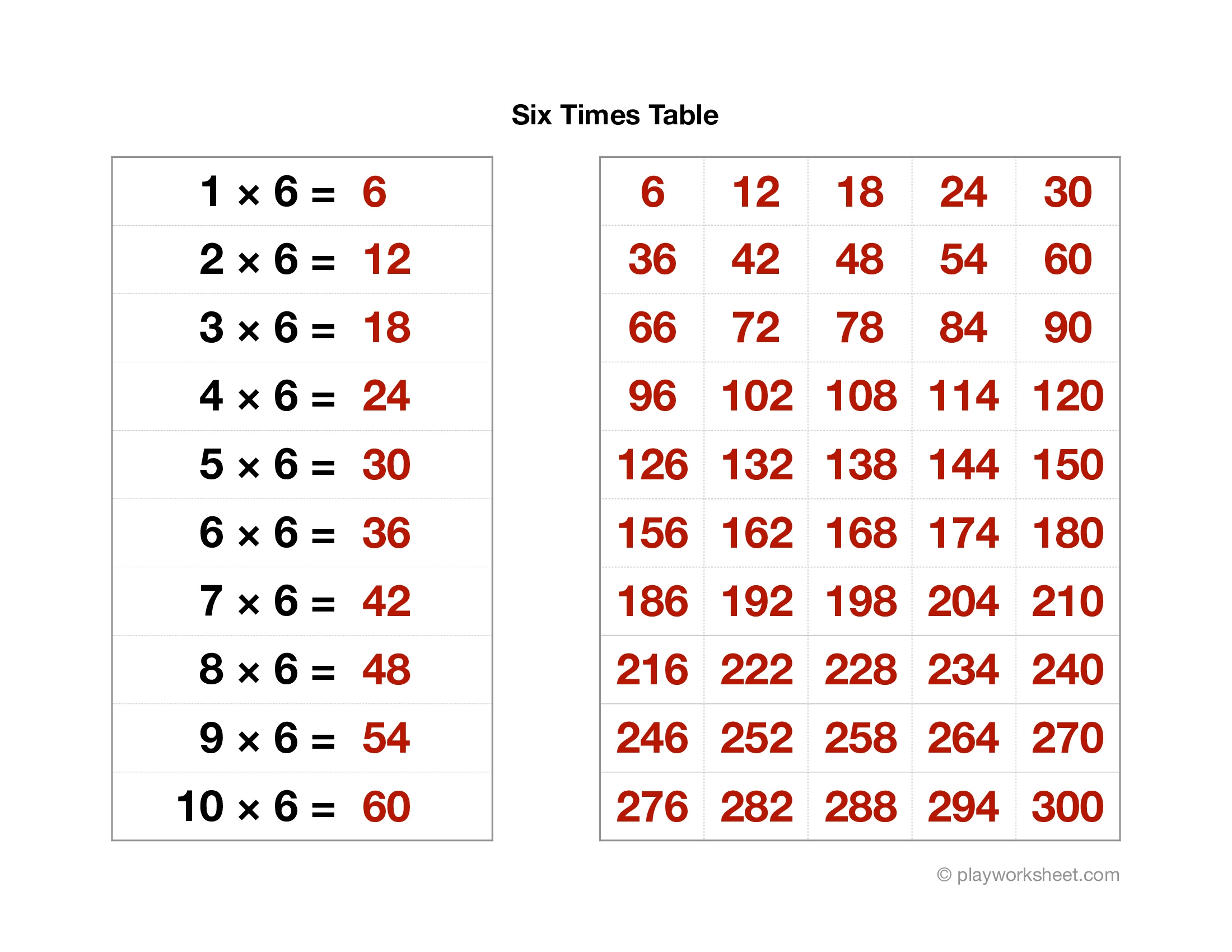
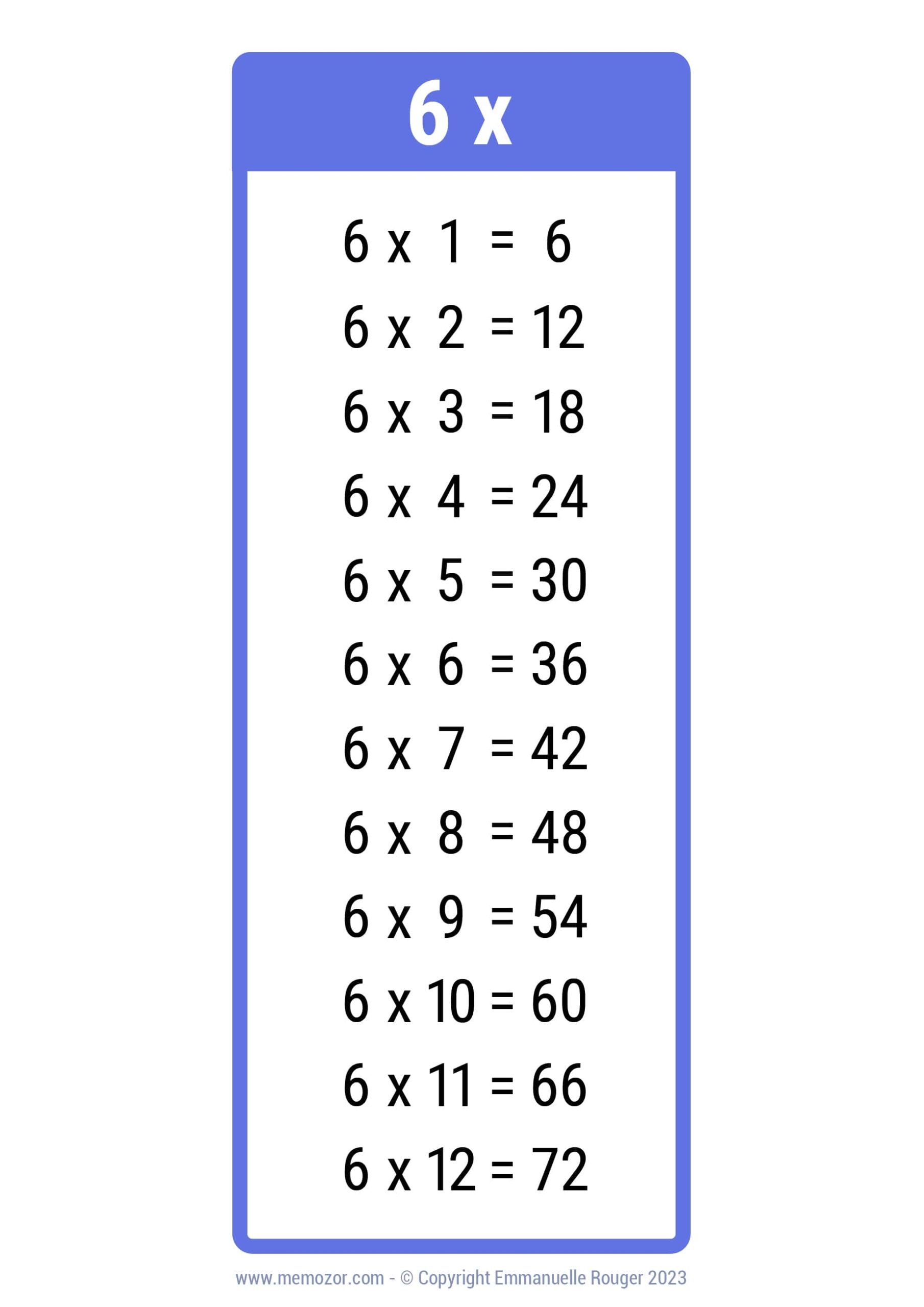
Six Times Table
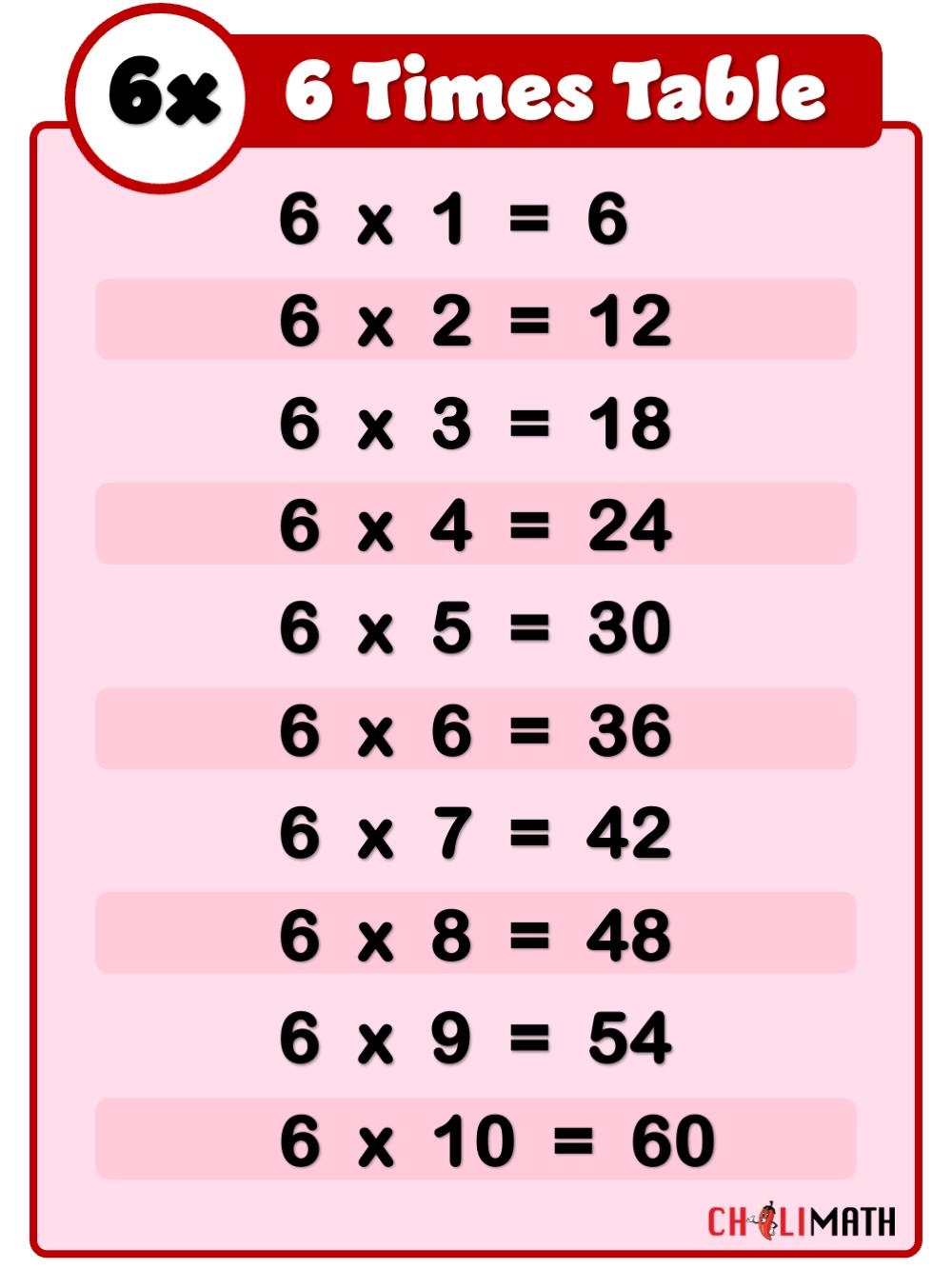
The six times table consists of multiples that are derived from multiplying six by whole numbers. The first few multiples are 6, 12, 18, 24, 30, and so on. Notably, each result increases by six as you move down the list. This consistent pattern makes it easier for learners to remember the table and apply it in various mathematical scenarios.
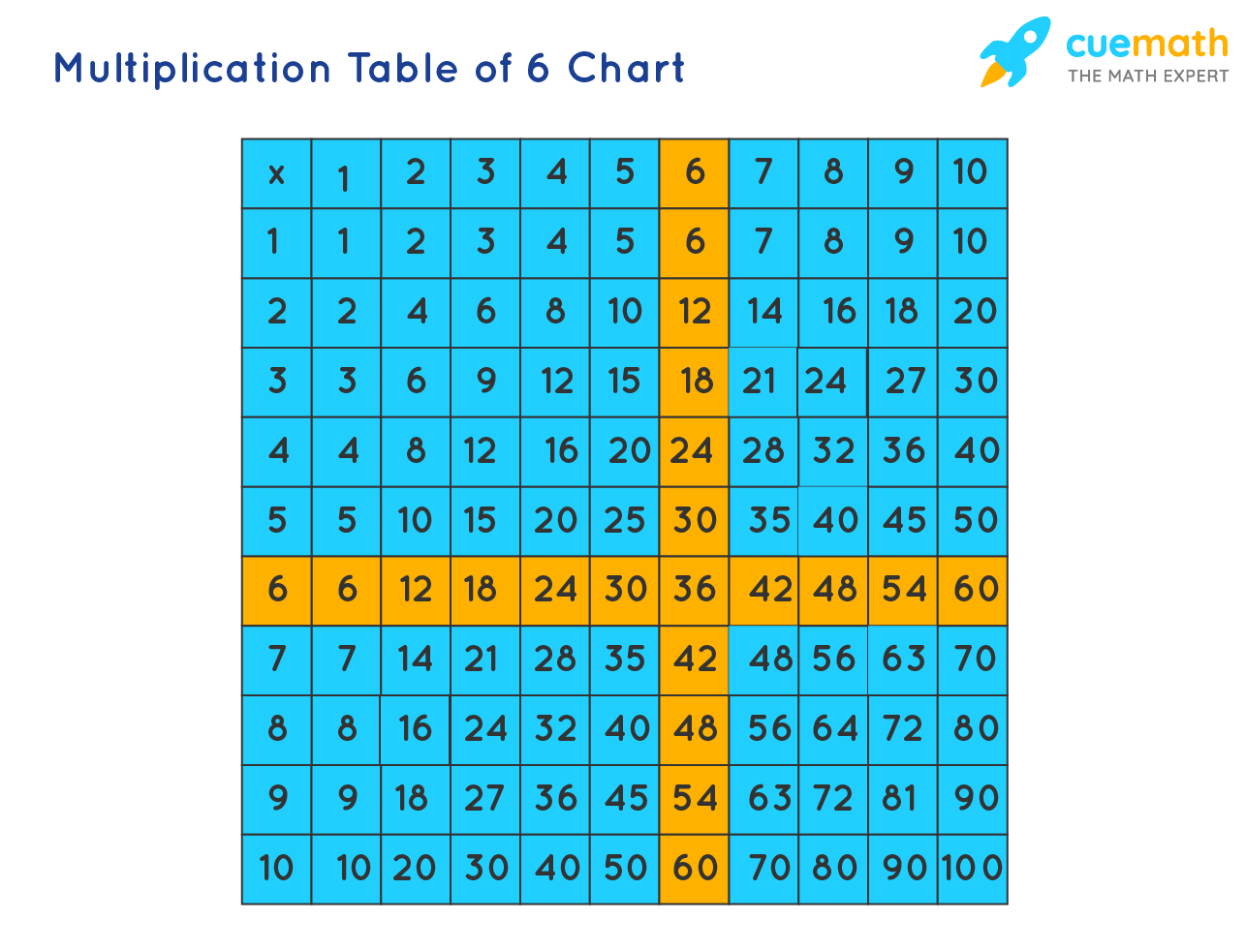
A practical way to master the six times table is through visualization and repetition. Students can use flashcards or multiplication charts to reinforce their memory. Additionally, incorporating games or interactive activities can make learning more enjoyable. For instance, singing songs or rhymes that include the multiples of six can help solidify knowledge in a fun way.
Another effective method is to relate the six times table to real-life situations. For example, if a student has six packs of stickers with six stickers in each pack, they can quickly calculate the total number of stickers by using the six times table. This contextual learning helps students understand the relevance of multiplication in everyday life.
In conclusion, mastering the six times table is crucial for building a solid mathematical foundation. Through consistent practice and engaging methods, learners can easily grasp this essential multiplication skill. By understanding and applying the six times table, students will be better equipped to handle more complex mathematical challenges in their academic pursuits.
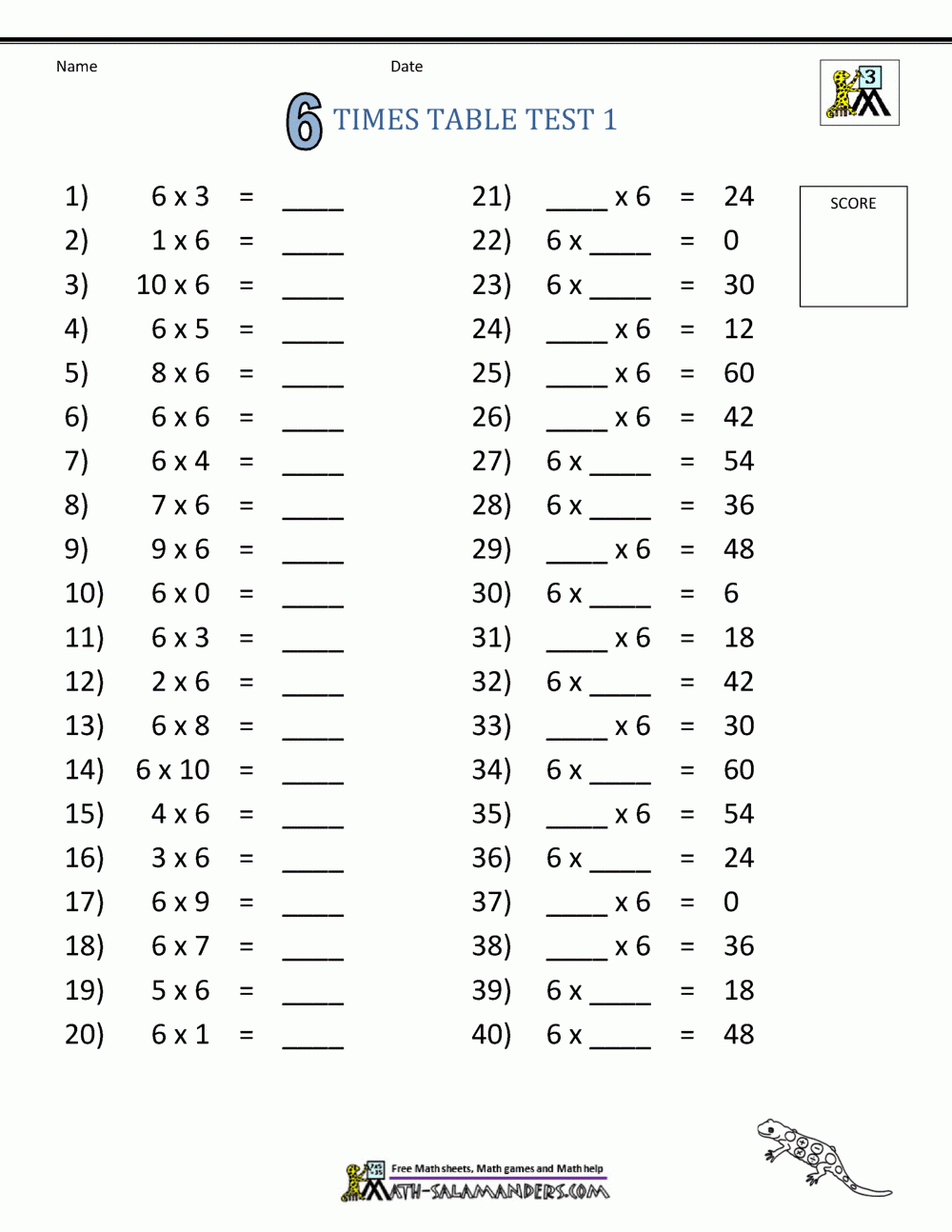
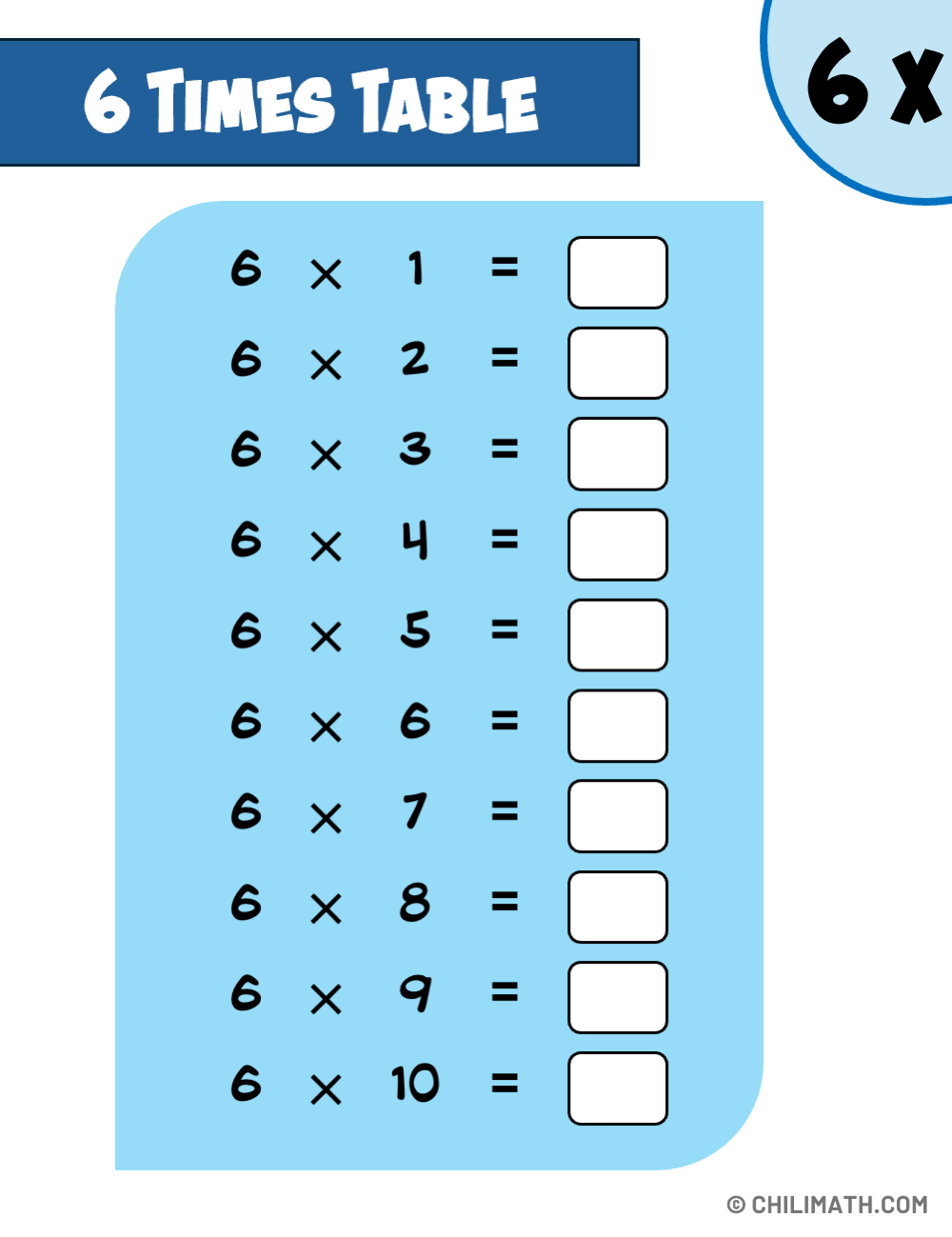
Download and Print six times table Listed below