Understanding Measuring Matter Worksheets
Measuring matter is a fundamental concept in science that helps students grasp the properties and quantities of different substances. Worksheets designed for this purpose serve as valuable educational tools, allowing learners to practice their skills in measuring mass, volume, and density. By engaging with these worksheets, students can enhance their understanding of how matter interacts in various contexts, making the learning process both enjoyable and informative.
Incorporating measuring matter worksheets into the curriculum not only reinforces theoretical knowledge but also promotes hands-on experience. These worksheets often include practical exercises that require students to measure different materials using appropriate tools. This approach fosters critical thinking and problem-solving skills, essential for any aspiring scientist. As students work through these exercises, they develop a deeper appreciation for the scientific method and the importance of accurate measurements.
Measuring Matter Worksheet
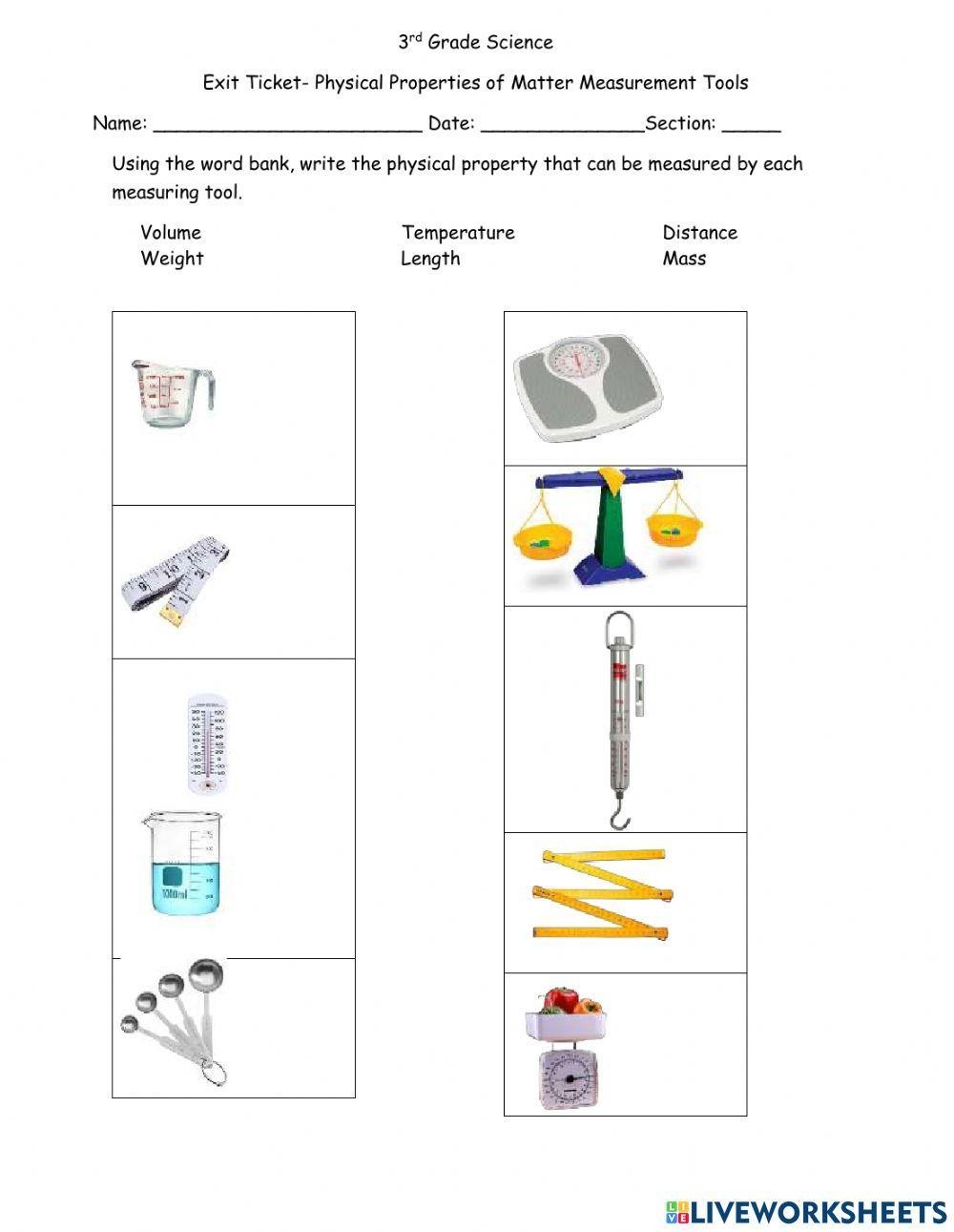
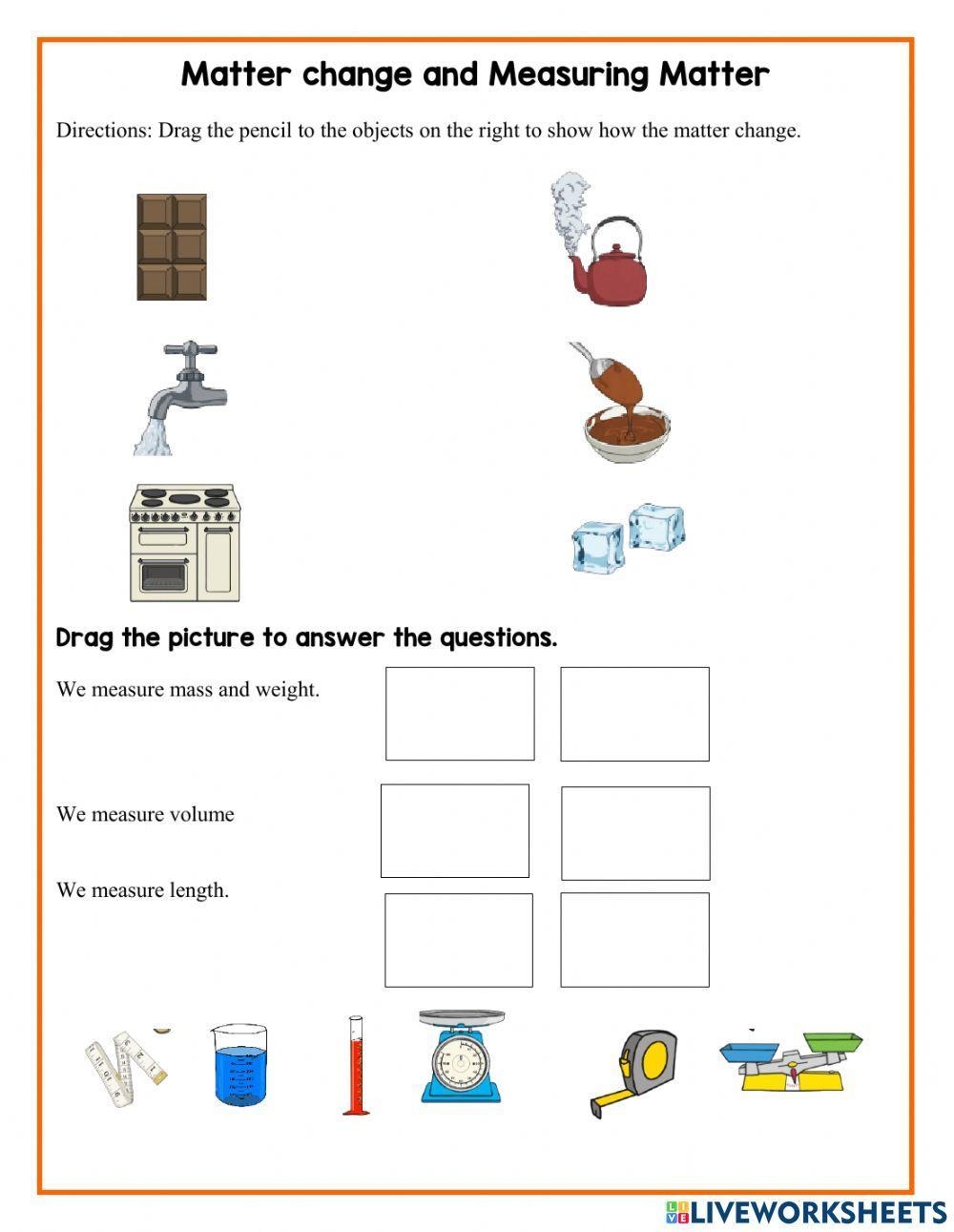
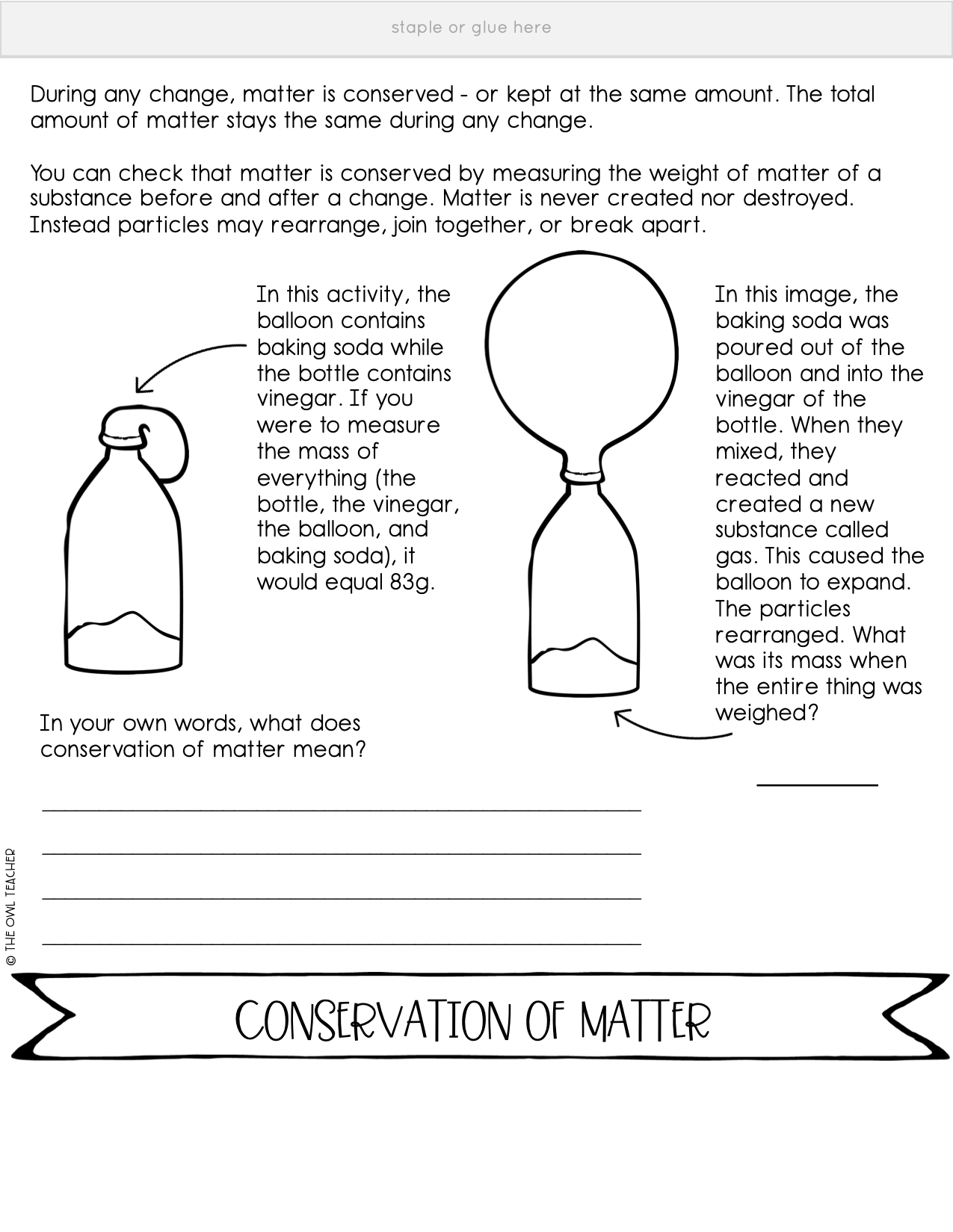
Measuring matter worksheets typically cover several key concepts, including mass, volume, and density. Mass is a measure of the amount of matter in an object, usually expressed in grams or kilograms. Students learn to use scales to determine mass accurately. Understanding mass is crucial as it lays the foundation for further exploration into physical properties and chemical reactions.
Volume is another critical aspect covered in measuring matter worksheets. It refers to the amount of space an object occupies and is measured in liters or cubic centimeters. Students often engage in activities that involve measuring liquids using graduated cylinders or measuring solids by calculating dimensions. These exercises help solidify their understanding of how volume relates to different states of matter.
Density combines both mass and volume, providing insight into how tightly packed the particles are within a substance. Worksheets may include problems that require students to calculate density using the formula: density = mass/volume. This concept is vital for understanding buoyancy and material properties, which are essential in various scientific fields.
Additionally, measuring matter worksheets often incorporate real-world applications to make learning more relatable. For instance, students might measure ingredients for a recipe or analyze the density of various liquids to determine which will float or sink. Such practical applications not only reinforce theoretical concepts but also spark curiosity about everyday science.
In conclusion, measuring matter worksheets are an effective way to enhance students’ understanding of fundamental scientific principles. By focusing on mass, volume, and density through engaging activities, these worksheets provide a comprehensive learning experience. As students develop their measurement skills, they gain confidence in their ability to explore and understand the world around them.
Download and Print measuring matter worksheet Listed below